
Hazard's past
Nestled in the mountains of eastern Kentucky, Hazard is a place where history runs deep and culture is built on resilience. As the heart of Perry County, Kentucky, Hazard’s story is one of early frontier life, the rise of the coal industry, and generations of families who built strong long lasting communites.

From Frontier Settlement
to Mountain Community
Long before coal defined the region, Perry County was home to small, self-sufficient communities built along creeks and valleys. Early settlers relied on farming, salt works, and trade routes that followed the natural landscape of the mountains.
Communities like Cornettsville, Buckhorn, and Ary grew around post offices, churches, and family homesteads. These early settlements laid the groundwork for the region’s development and created a network of communities that remain important today.
The coal boom era
The late 19th and early 20th centuries brought dramatic change to Hazard and the surrounding area. With the arrival of the railroad and the expansion of coal mining, quiet mountain communities transformed into bustling centers of industry.
Coal companies established towns—often called coal camps—throughout Perry County. These communities were built quickly to house workers and their families, and each developed its own identity.

coal tipple
These are central processing structure at a mine, used to dump, sort, clean, and load coal into railroad cars, trucks, or barges.
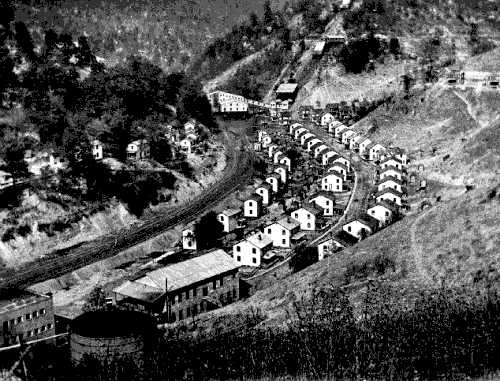

coal camp
Housing workers and their families, each camp developed its own culture and identity.

Photo By Bobby Davis Museum and Park
mining scene
Coal fueled economic expansion across the region.
Life in the coal camps
Life in the coal camps was built around hard work, strong families, and close-knit communities. Miners worked long hours underground, while families built lives centered on shared spaces like company stores, schools, and churches.
Children attended local schoolhouses, neighbors gathered for events, and traditions were passed down through storytelling, music, and craftsmanship. Despite the challenges, these communities developed a deep sense of connection and pride.
The legacy of coal camp life continues to shape the
culture of Hazard today.
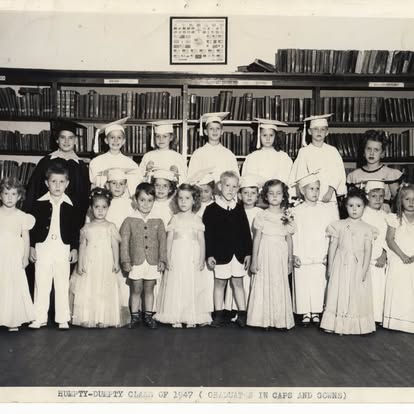
Photo By Bobby Davis Museum and Park
Communities That Shaped the Region
Perry County is made up of dozens of small communities, each with its own story. Some began as coal camps, while others grew from early settlements or postal routes. Together, they form a rich patchwork of Appalachian life.
North Fork
Communities like Krypton, Lothair, and Allais grew alongside the railroad and coal operations, eventually becoming key parts of the Hazard area.
Leatherwood & Carrs Fork
Daisy, Leatherwood, and Combs developed around waterways and mining activity, blending industry with long-standing family roots.
Big Creek & Buffalo Creek
Avawam, Fourseam, and Chavies reflect the expansion of coal and transportation networks deeper into the mountains.
Small but Lasting Communities
Places like Boat, Busy, Butterfly, and Darfork may be small, but their stories remain an important part of the county’s history.

industry, railroads, and growth
Photo By Bobby Davis Museum and Park
Railroads were the lifeline of Hazard’s growth. They connected remote mountain towns to the rest of the country, allowing coal to be transported to national markets. Tipples, rail lines, and mining operations reshaped the landscape and economy. Towns grew around these systems, and Hazard became a central hub for commerce and industry in eastern Kentucky.
While coal production has changed over time, its impact on the region’s development remains unmistakable.
Preserving the past

Today, Hazard honors its history while looking toward the future. Many former coal camps have evolved into modern communities, but their heritage remains visible in the landscape and in local traditions. Historical records, photographs, and community storytelling help preserve the legacy of Perry County for future generations.
Check out our references to learn more about Hazard!
